Case Management System
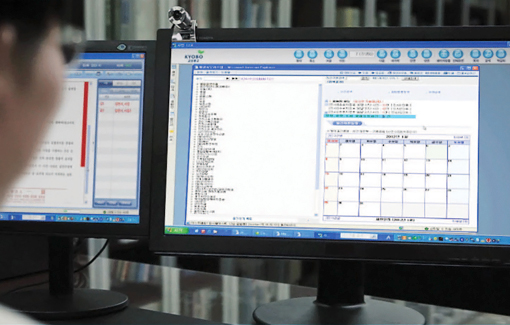
A comprehensive case management system is now in place nationwide to support all judges and court officials in processing civil, family, criminal, administrative, and other types of cases. In 1998, a unified system called the Case Management System was developed to provide core functions such as case filing, assignment, document handling, service of process, and record preservation. Over time, dedicated systems were set up for specific types of cases, including civil, family, administrative, and bankruptcy matters. In the 2000s, further improvements to workflow design and system functionality elevated its overall performance.
For criminal cases, electronic information is shared through the Korea Information System of Criminal Justice Services, connecting the police, prosecution, and the Ministry of Justice.
Since 2010, the Electronic Summary Proceeding has been in operation, allowing certain cases, such as driving under the influence and unlicensed driving, to be handled entirely electronically.
To improve public access and engagement with the judiciary, the Supreme Court has been implementing the Next-Generation Case Management System since 2025. This system aims to fully digitalize judicial procedures, including electronic filing, case management, and oral proceedings using electronic devices. It also seeks to enhance internal electronic system performance and ensure interoperability with external systems.